Lab supplies, reborn.
Don’t buy them again: reuse them.
We collect your lab’s used plastic consumables, to decontaminate, clean and sterilize them, and bring your own items back to you, ready to be reused.
Less plastic waste, lower costs, same workflow.
Serving the Greater Montreal Area and surroundings · Elsewhere? Join the waitlist
For research labs in life sciences, cosmetics and food industries.


Fill your bin.
See what you’d save.
Savings potential
[$ / year]
Plastic kept out of the environment
[kg / yr]
Emissions avoided
[kg CO₂eq / yr]
Based on estimated average costs and our simplified life-cycle assessment.
Your consumables,
back in your lab.
Our service adapts to your workflow, not the other way around.
1
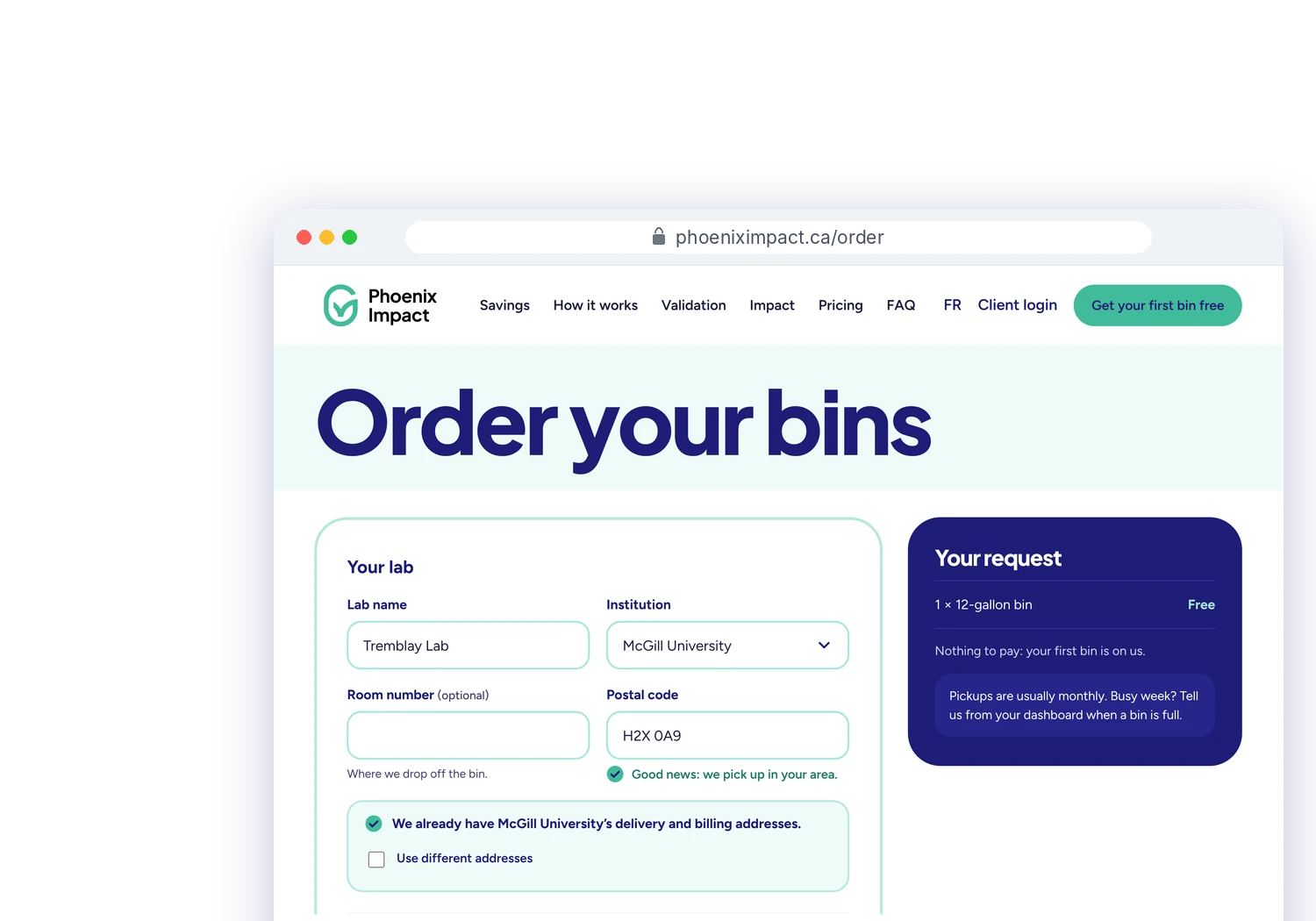
Get your bins
Order your first bin online for free.
Comes with an explanatory poster. Small bench bins are also available.
2
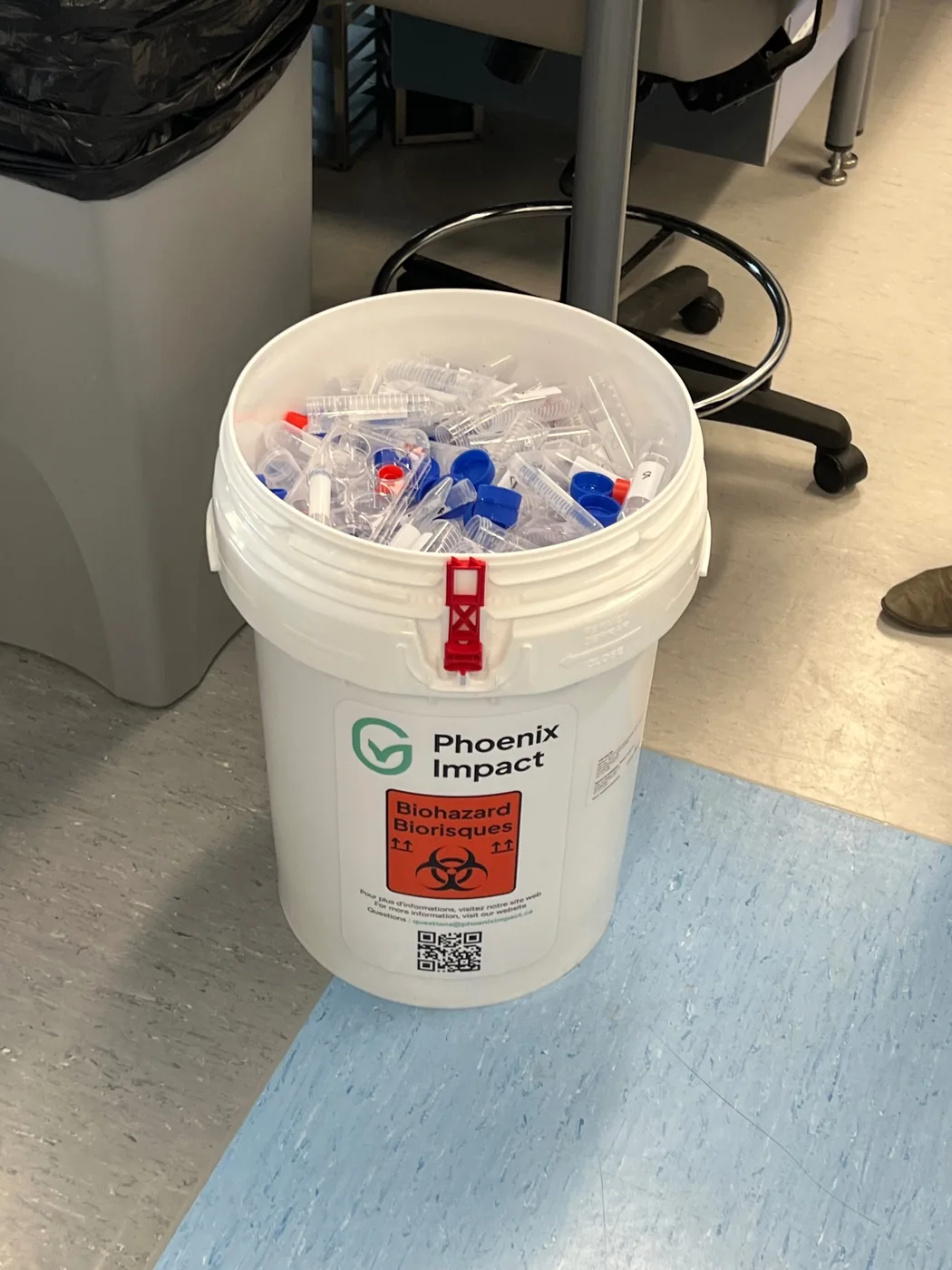
Fill them
Store all the consumables we accept, in bulk, in a single bin. No sorting on your end.
3
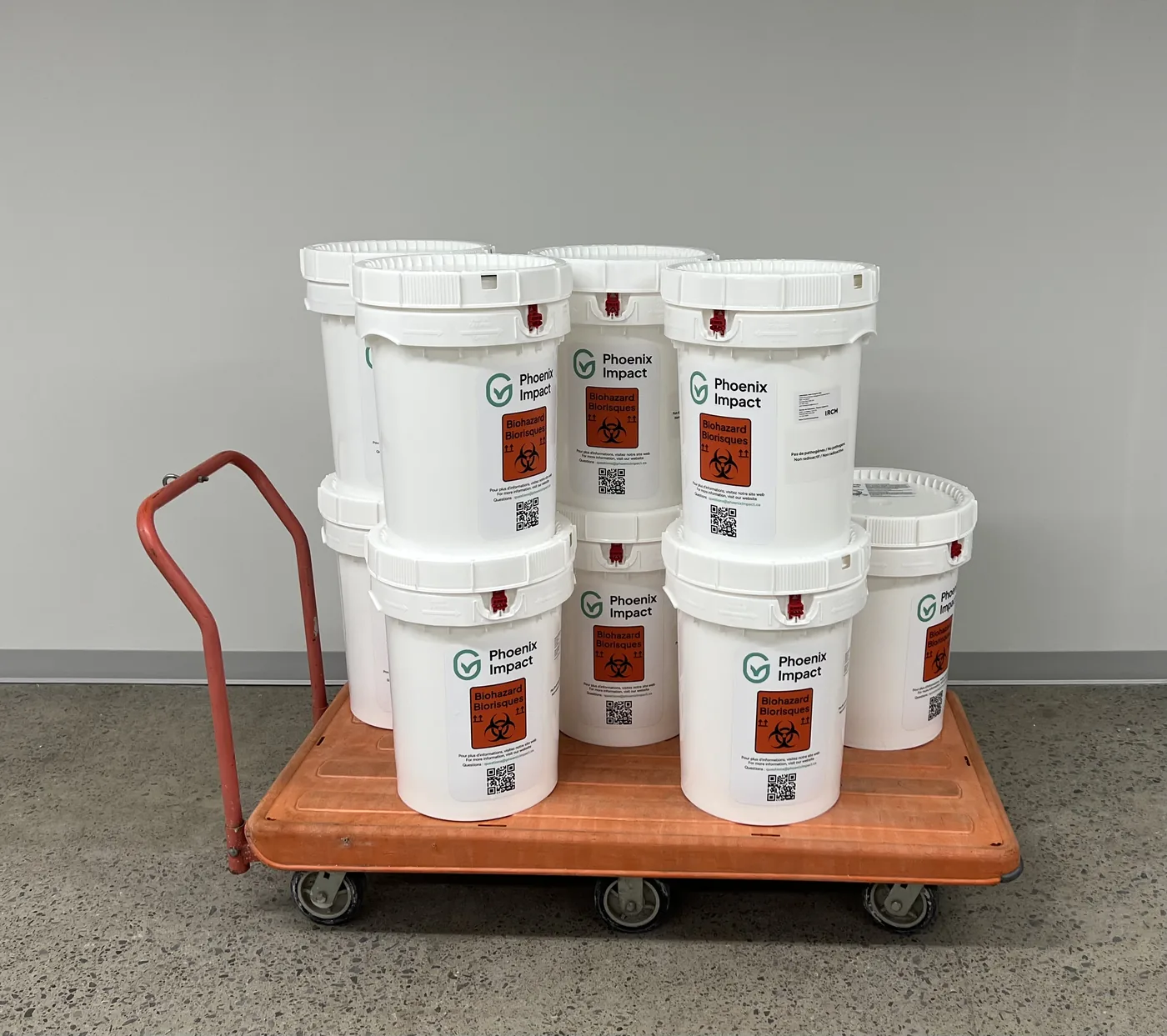
We collect
Pickup on a schedule that fits you. We replace your full bins with new empty ones.
4
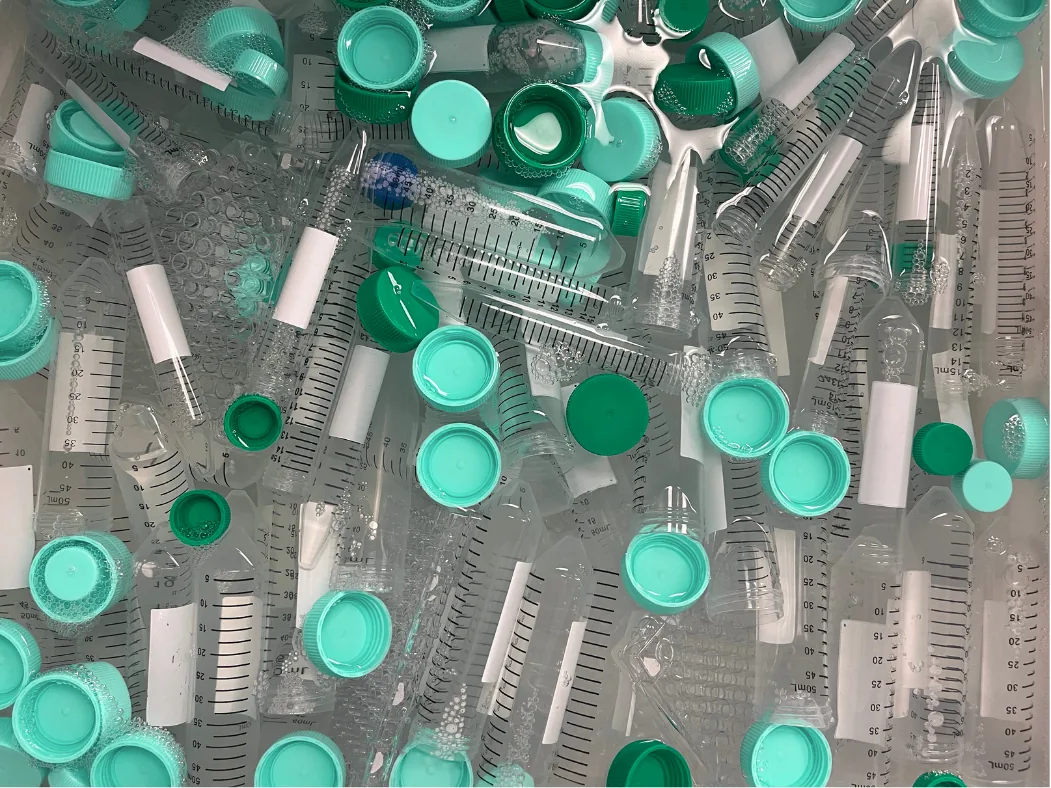
We recondition
Cleaning, decontamination, sterilization, sorting, packaging, QA. Your items stay identified as yours.
5
Your own consumables come back.
Sorted, packaged, labelled for your lab and ready to reuse. Brought back to you the next time we pickup your full bins.
Most consumables can go through over ten cycles before being sent for recycling.


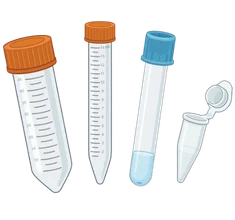
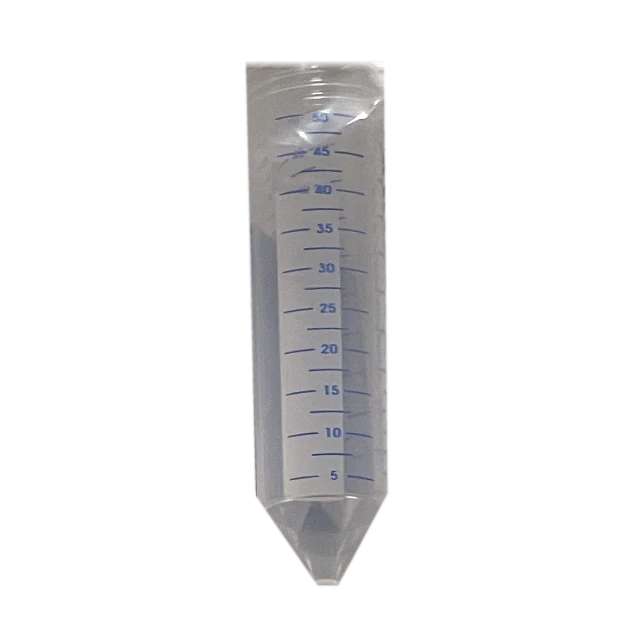
Tubes
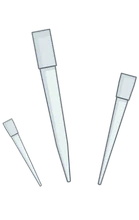
Pipette tips
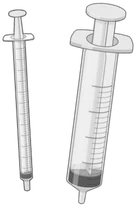
Syringes
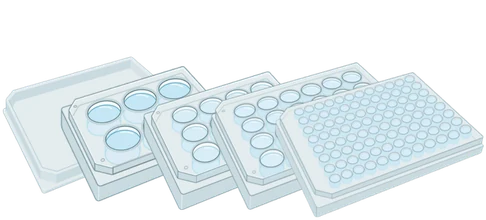
Plates
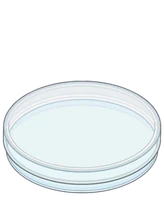
Petri dishes
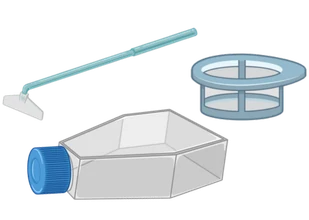
Cell culture
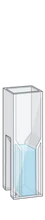
Cuvettes
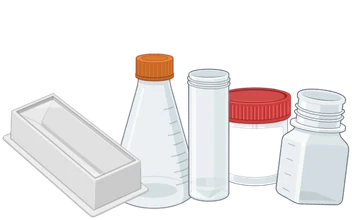
Bottles & more
Included with our service
Your lab, your dashboard.
Follow every bin, tell us when one is full, and track your impact.
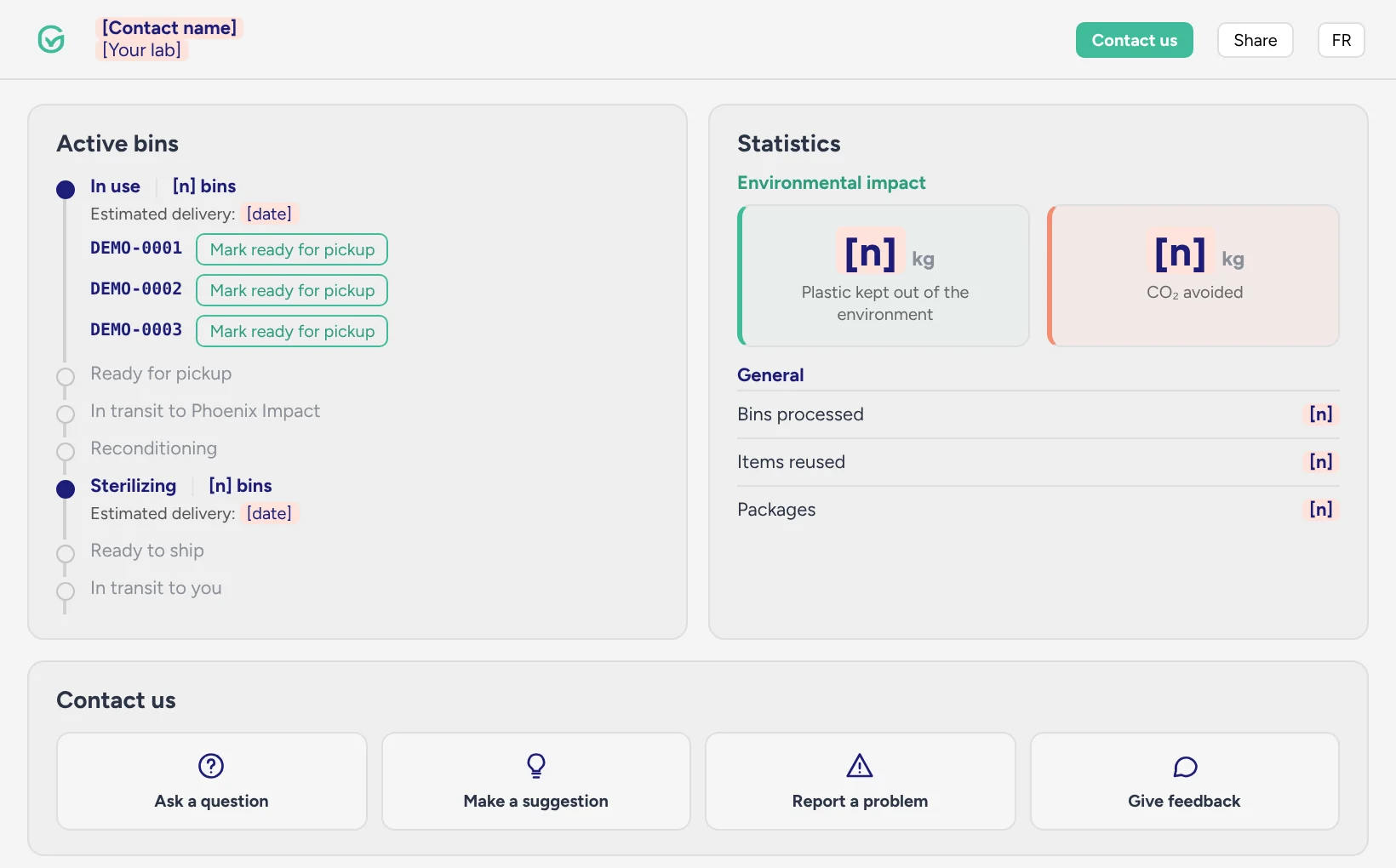
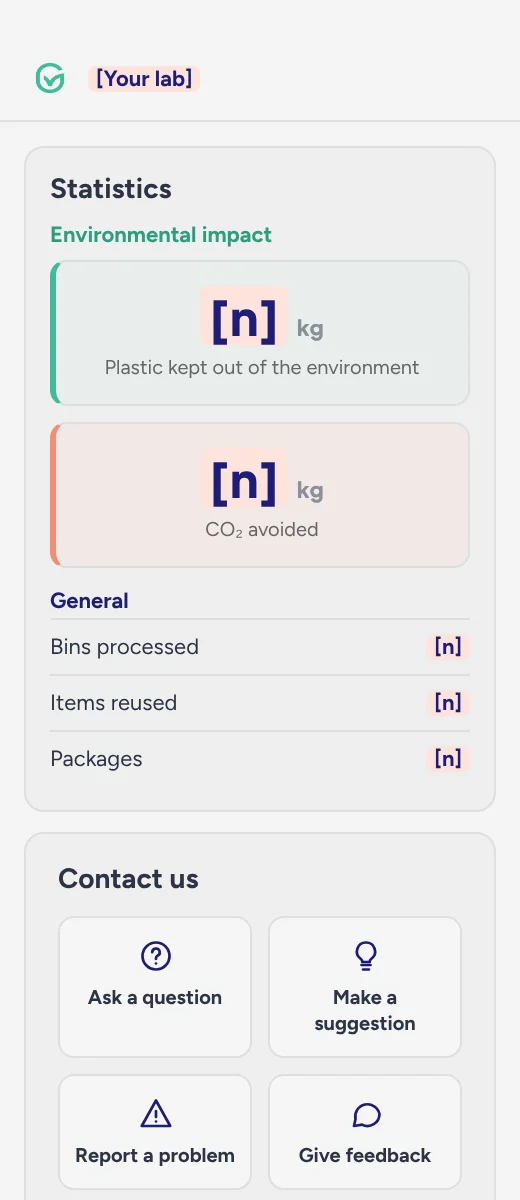
Keep track of your bins
Request a pickup in just one click
Your impact, in real time
Tested on the assays
you already run.
No case study for that yet.
Don’t see yours? Suggest a test and we’ll consider it for our next study.
Peer-reviewed
Environmental impact and experimental reliability of reusing plastic consumables in wet labs
npj Materials Sustainability
Independent
Third-party validation
An independent research centre tested our process on 15 mL tubes heavily contaminated with real lab samples (bacteria, yeasts and moulds: over 8.5 log CFU/mL). After cleaning, no microbial growth was detected, right away and after 2 and 4 weeks of storage.
In the field
Validated by over 30 labs like yours
Labs from a wide variety of domains are running their own assays on reconditioned consumables daily.
Quality control on every batch
Process parameters
Continuously validated: parameters such as temperature, pressure, concentration and exposition time are monitored on every run.
Samples for every lab
At the end of the process we sample consumables from every lab’s batch and test them for residues from contaminants and cleaning solution.
Sterilization
Sterilization cycles are validated twice: our sterilization partner runs their own QA, and we double check with biological indicators.
Our impact so far.
Based on real life data and on our simplified life-cycle assessment.
1.4 t
of plastic diverted from the environment
6.2 t
CO₂eq avoided
Simple pricing,
no hidden fees.
No minimum term. No setup fee. Your first bin is free.
First bin free
Single lab
$300 / bin
One 12-gallon bin
Delivery and pickup
Decontamination, cleaning, sterilization, QA
Packaging and shipping
Online dashboard and impact reports
Organizations with several labs
Same service. The more bins across your labs, the less each one costs.
1–15 bins / month
$300
15–30 bins / month
$285
30–50 bins / month
$270
50+ bins / month
Let’s talk
Buying through procurement? Request a formal quote or supplier documents
Questions labs ask us
Will reused consumables affect my results?
Consumables cleaned by Phoenix Impact are used daily for a wide variety of applications in molecular and cell biology.
We have validated our technology across a diverse array of case studies, published a study of the performance of reconditioned materials in npj Materials Sustainability, and a third-party has demonstrated that our cleaning removes heavy microbial contamination from used tubes to undetectable levels, with no regrowth after 4 weeks of storage.
Quality is our number one priority. Our process is followed by a tight continuous monitoring, every batch is screened for contaminants and residues before it comes back to you, and sterilization is validated twice.
We always encourage our customers to run some quick tests on their first reconditioned consumables, and can help support you in doing so. Some sensitive applications are not recommended, like trace analyses (e.g. mass spectrometry) or protein-coated or low-binding surfaces. If you are unsure whether yours is suitable, please reach out.
What can’t go in the bin?
The bin should be filled with hard plastic consumables only: no plastic bags, glass or sharps.
We currently do not accept BSL2 and above, or toxic/hazardous chemicals, such as:
- Radioactive products
- Pathogens and BSL-2
- Carcinogenic chemical agents (chloroform, carbon tetrachloride…), mutagenic agents (bromide, dichloromethane…), reprotoxic agents (lead, glycol ethers…)
- Highly corrosive substances (final pH <2 or >12)
- Harmful organic solvents
- Phenol, paraformaldehyde (PFA), formamide, dimethyl sulfoxide (DMSO)
- Peroxide-forming compounds
- Intercalating agents
- Toxic organic contaminants of WHMIS categories D1A, D1B, D2A, D2B
- WHMIS category B (flammable and combustible materials), C (oxidizing materials) and F (hazardously reactive materials)
How often do you collect?
On a schedule built around your lab. Most of our customers have a monthly pickup, but we can adapt to any frequency. And since your lab may go through busy and quieter periods, you can also tell us from your dashboard whenever a bin is ready to be picked up.
Ready to join the movement?
Questions about the service, a consumable or a quote? Please, reach out!